









ホテル・シッター




ペットサロン






お問い合わせ


トピックス
【ペットホテル】

・わんにゃんウォーカーに掲載されました。
【ペットサロン】

・毎日放送MBSテレビの番組で紹介されました!

・テレビ朝日の番組で紹介されました!

・TBSのテレビ番組で紹介されました!
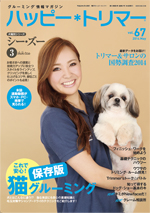
・ハッピートリマー67号に掲載されました!
・新規お客様⇒20%割引!
・ご来店で1カ月以内リピーター様⇒20%割引!
トリミング無料送迎範囲拡大しました。
SNS
ヌーノクラブの各種SNSページに登録してね!


ペットホテル動画ブログ

無料のトリマー求人・求職サイト、トリムナウ!
各種ソーシャルボタン



ヌーノクラブはyahooカテゴリ登録サイトです。

- Remarkable loyalty demonstrated by the versatile spindog and its training
- Understanding the Roots of Canine Loyalty
- The Role of Breed Predisposition
- The Power of Positive Reinforcement Training
- Key Techniques in Positive Reinforcement
- Socialization and Exposure: Building a Well-Adjusted Companion
- The Impact of Environments on Development
- Recognizing and Addressing Behavioral Challenges
- Fostering a Lasting Bond with Continued Interaction
Remarkable loyalty demonstrated by the versatile spindog and its training
The term spindog frequently evokes images of playful canine companionship, but its essence extends far beyond a simple definition. It represents a remarkable demonstration of loyalty, trainability, and versatility, often found in breeds known for their intelligence and eagerness to please. This characteristic isn't limited to a specific breed; rather, it’s a quality that can be nurtured and developed through consistent, positive reinforcement training. Understanding the nuances of 'spindog' behavior, from its inherent characteristics to the methods used to enhance it, is key to fostering a strong and rewarding bond between humans and their canine companions.
The concept of a ‘spindog’ – a dog exhibiting exceptional loyalty – shines brightly amidst the complexities of animal behavior. This loyalty isn’t merely about obedience; it’s a deep-rooted connection built on trust, affection, and consistent interaction. It manifests in a dog's eagerness to learn, its unwavering dedication to its handler, and its proactive desire to engage in activities alongside its human counterpart. Cultivating this quality requires more than just commands; it demands patience, understanding, and a commitment to positive reinforcement, ultimately transforming a pet into a true and devoted companion.
Understanding the Roots of Canine Loyalty
Canine loyalty isn't a learned behavior solely; it's deeply embedded in their evolutionary history. Dogs descended from wolves, pack animals reliant on cooperation and social structures for survival. This inherent instinct to form bonds and operate within a hierarchy translates directly into their relationships with humans. A dog’s pack drive prompts them to seek a leader and demonstrate unwavering allegiance to that figure. Recognizing this innate tendency is crucial for trainers and owners alike. It means understanding that a dog isn't trying to disobey, but rather striving to understand their place within the social dynamic and fulfill their role within the perceived pack – which, in our context, is the family. This foundational understanding allows for a more empathetic and effective training approach, focusing on establishing clear leadership and fostering a sense of security within the relationship.
The Role of Breed Predisposition
While all dogs possess the capacity for loyalty, certain breeds demonstrate a more pronounced predisposition towards it. Breeds traditionally used for working alongside humans, such as German Shepherds, Border Collies, and Labrador Retrievers, have been selectively bred for generations to exhibit a strong desire to please and collaborate. These breeds are often characterized by their intelligence, trainability, and eagerness to fulfill a purpose. However, it's important to remember that individual temperament within a breed can vary significantly. A dog’s early socialization experiences, genetics, and individual personality all play a role in shaping its overall level of loyalty and its responsiveness to training. Therefore, responsible breeding practices and early, positive socialization are paramount in maximizing a dog's potential for unwavering companionship. Focusing on these factors can help create a truly dependable and devoted canine partner.
| German Shepherd | 5 | 5 | Police work, search and rescue, service dog |
| Labrador Retriever | 4 | 4 | Guide dog, hunting companion, family pet |
| Border Collie | 4 | 5 | Herding, agility, obedience |
| Golden Retriever | 4 | 4 | Family pet, therapy dog, assistance animal |
The table above offers a general guideline, but remember that individual dogs will vary. Consistent training and positive reinforcement solidify loyalty regardless of breed.
The Power of Positive Reinforcement Training
Positive reinforcement is the cornerstone of building a strong, loyal relationship with any dog. This training method focuses on rewarding desired behaviors, rather than punishing undesirable ones. By associating good actions with positive stimuli – such as treats, praise, or toys – dogs quickly learn what is expected of them and are motivated to repeat those behaviors. This approach fosters trust and creates a positive learning environment, strengthening the bond between owner and pet. Punishment-based training, conversely, can create fear and anxiety, damaging the relationship and hindering the development of genuine loyalty. It's crucial to remember that a fearful dog is less likely to be a willing and devoted companion. The emphasis should always be on encouragement and reward, building a partnership based on mutual respect and understanding.
Key Techniques in Positive Reinforcement
Several techniques fall under the umbrella of positive reinforcement. Clicker training, for example, utilizes a distinct clicking sound to mark the precise moment a dog performs the desired behavior, followed immediately by a reward. This creates a clear and consistent association between the action and the positive consequence. Shaping involves breaking down complex behaviors into smaller, manageable steps, rewarding the dog for each successive approximation of the final goal. Luring uses a treat to guide the dog into the desired position, gradually fading the lure as the dog becomes more proficient. Regardless of the specific technique employed, consistency is vital. Clear communication, predictable routines, and consistent rewards are essential for ensuring that the dog understands what is expected and remains motivated to learn. Remember to adjust the reward to the dog's preferences – some dogs might be highly motivated by food, while others respond better to praise or toys.
- Consistency is paramount in any training regimen.
- Positive reinforcement builds trust and strengthens the bond.
- Clicker training provides clear communication.
- Shaping breaks down complex tasks into manageable steps.
- Understanding individual dog preferences enhances motivation.
Implementing these techniques consistently can drastically improve a dog’s responsiveness and solidify their loyalty.
Socialization and Exposure: Building a Well-Adjusted Companion
Early socialization is arguably one of the most vital aspects of raising a loyal and well-adjusted dog. Exposing a puppy to a wide variety of people, places, sounds, and experiences during the critical socialization period (typically between 3 and 16 weeks of age) helps them develop confidence and resilience. This reduces the likelihood of fear and aggression later in life, making them more adaptable and receptive to training. A well-socialized dog is less likely to be reactive in unfamiliar situations, and more likely to approach new experiences with curiosity rather than anxiety. This ultimately contributes to a stronger bond with their owner, as the dog feels more secure and trusting in their presence. Socialization isn’t just about exposure; it's about creating positive associations with new stimuli. Ensure that experiences are controlled, safe, and enjoyable for the puppy, gradually increasing the level of challenge as they gain confidence.
The Impact of Environments on Development
The environments a dog experiences during its formative months profoundly shape its personality and behavior. Introducing a puppy to different surfaces (grass, concrete, wood), various sounds (traffic, fireworks, thunderstorms), and diverse social interactions (children, other dogs, strangers) helps them develop a broad range of coping mechanisms. Enrichment activities, such as puzzle toys and scent work, stimulate their minds and prevent boredom, further contributing to their overall well-being. Avoiding isolation and providing opportunities for positive social interaction are crucial. A puppy that is consistently deprived of stimulation and socialization is more likely to develop behavioral problems, hindering their ability to form a strong and loyal bond with their owner. Therefore, prioritizing early exposure and enrichment is an investment in a dog’s long-term happiness and companionship.
- Expose puppies to diverse stimuli during the critical socialization period.
- Create positive associations with new experiences.
- Provide enrichment activities to stimulate their minds.
- Avoid isolation and prioritize social interaction.
- Seek guidance from a professional trainer or behaviorist.
These steps actively cultivate a confident and secure canine companion.
Recognizing and Addressing Behavioral Challenges
Even with consistent training and socialization, behavioral challenges can arise. These can range from minor nuisances like excessive barking to more serious issues like separation anxiety or aggression. It's crucial to address these challenges proactively and seek professional help if needed. Ignoring behavioral problems can exacerbate them over time, damaging the relationship between owner and dog. Understanding the underlying cause of the behavior is essential for developing an effective intervention strategy. Is the dog acting out of fear, frustration, or boredom? Identifying the root cause allows for a targeted approach that addresses the underlying emotional state. Remember that punishment is rarely the answer, and can often worsen the problem by increasing fear and anxiety.
Fostering a Lasting Bond with Continued Interaction
Loyalty isn't a destination; it's an ongoing process that requires continued effort and attention. Maintaining a strong bond with your spindog involves regular interaction, enrichment activities, and ongoing training. Simply providing food and shelter isn’t enough to nurture a deep and lasting connection. Engage your dog in activities they enjoy, such as walks, playtime, or training sessions. Spend quality one-on-one time simply relaxing and bonding. Regular grooming sessions can also be a positive bonding experience. Remember that every dog is an individual, and what works for one may not work for another. Pay attention to your dog’s preferences and tailor your interactions accordingly. A consistent commitment to nurturing the relationship will ensure a lifetime of unwavering companionship and mutual affection.
Beyond the daily routines, consider exploring advanced training options like agility or canine sports. These activities provide mental stimulation, physical exercise, and an opportunity to strengthen the partnership through collaborative problem-solving. Observing a dog truly thrive while working alongside its owner is a powerful testament to the strength of the bond forged through trust, respect, and shared experiences. This continued engagement reaffirms the dog's sense of purpose and solidifies its unwavering devotion.



ヌーノクラブ新井薬師本店 
東京都中野区上高田5-47-3
西武新宿線・新井薬師前駅北口徒歩2分
営業時間10:00~19:00 tel:03-5345-5878


ヌーノクラブ高円寺
東京都杉並区高円寺南4-24-1山田ビル2F
中央・総武線 高円寺駅徒歩4分
営業時間10:00~19:00 tel:03-3313-2660
ヌーノクラブ西新宿店
東京都渋谷区本町4-18-1
都営大江戸線 西新宿5丁目駅徒歩4分
営業時間10:00~19:00 tel:03-6276-0227
東京都中野区上高田5-47-3
西武新宿線・新井薬師前駅北口徒歩2分
営業時間10:00~19:00 tel:03-5345-5878
東京都杉並区高円寺南4-24-1山田ビル2F
中央・総武線 高円寺駅徒歩4分
営業時間10:00~19:00 tel:03-3313-2660
東京都渋谷区本町4-18-1
都営大江戸線 西新宿5丁目駅徒歩4分
営業時間10:00~19:00 tel:03-6276-0227